Is Climate Change Propelling the Rise of Superbugs?
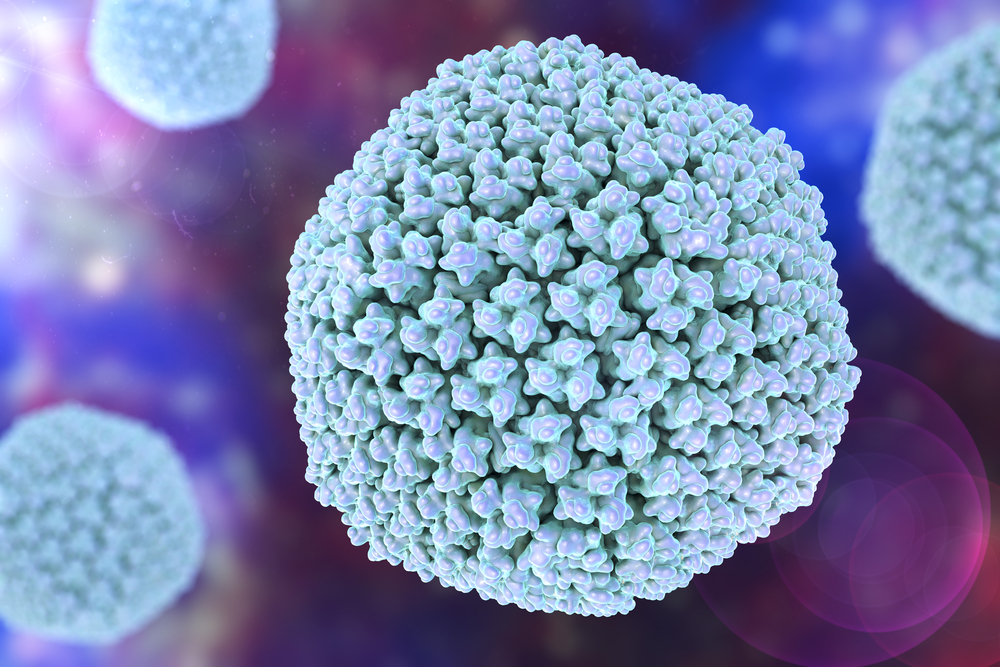
The UN Environment Programme is asking if climate change is propelling the rise of superbugs. Warm weather and shifting weather patterns create easy ways for dangerous germs to spread and grow stronger. This means common medicines might stop working against everyday infections much sooner than expected.
How does climate change help superbugs grow?
Warmer global temperatures make it easier for bacteria and viruses to multiply quickly. When temperatures rise, germs can adapt faster and build defenses against normal medical treatments. Floods and heavy storms also mix wastewater with clean water, which lets dangerous germs travel into new neighborhoods.
Extreme weather events displace large groups of people and ruin basic sanitation systems. Clean water becomes scarce after big natural disasters, making it hard to wash hands and keep germs away. Understanding climate change scenario modeling helps scientists see how warmer conditions push germs into areas that used to be too cold for them to survive.
What does the rise of superbugs mean for everyday people?
When superbugs spread, simple sicknesses become much harder for local doctors to treat. Standard antibiotics lose their power, which turns simple cuts or basic infections into serious health risks. Families might spend more time in hospitals and face higher medical bills just to cure basic illnesses.
This problem also affects standard surgery and routine health care. Doctors rely on working medicines to keep patients safe during operations and cancer care. If drugs stop working because germs are too strong, basic hospital visits carry much higher risks for everyone.
Why are global groups looking at this health risk now?
International agencies want to stop health crises before they spread across borders. Leaders know that stopping emissions and taking part in climate change mitigation can help slow down the spread of new diseases. Controlling global heating is now seen as a top way to protect public health systems around the world.
For years, people thought superbugs were only a problem inside dirty hospitals or from taking too many pills. Now, experts see that nature and the weather play a huge role in how germs evolve. Fixing local water systems and slowing down global warming are key steps to keep our medicines working.
What should we watch for in the near future?
Scientists will keep studying how warm weather changes the way germs act in nature. Health officials will track drug resistance in hot areas to see where new superbugs show up first. Cities will need to build better water pipes and waste systems to keep floodwaters from spreading bad bacteria.
People can watch for new reports from environmental groups and health agencies. Learning about these links helps communities prepare for health risks before severe weather hits. Keeping water clean and slowing down global warming will be vital steps to keep medicines safe for our kids.


Comments
Post a Comment